28 November 2026
What to check before booking a desert quad bike experience
Presented by @getquadbiketourdubaitimes
Booking a quad bike tour dubai can be straightforward, but a few details are worth settling before you commit. The desert setting makes the experience different from riding on a track or a farm. Terrain, heat, timing, safety gear and the style of the route all affect how comfortable the day feels. A short check now can prevent mismatches later, especially if you are travelling with family or trying quad riding for the first time.
Start with the ride itself, not the extras. A desert outing may focus on open sand, a desert safari route, a sunset tour, or a mix that includes dune bashing in a vehicle. These are not the same experience. If the main goal is riding a quad bike, look for clear details about how much time is spent on the bike and what the route covers. A broad itinerary that mentions many activities may leave less riding time than expected.
Rider requirements and ability
Check who is allowed to ride and what level of experience is assumed. Some riders are comfortable with uneven ground, while others need a slower introduction. Sand dunes look soft and forgiving, but they can change grip quickly, and steering takes more effort than many people expect. If the route includes climbs, turns or longer stretches, beginners should look for a calmer option rather than choosing the most dramatic-sounding name.
A driving license may be mentioned in relation to certain vehicles or activities, so read that part carefully. Do not assume the same rule applies to every type of ride. Age limits, passenger rules and any requirement for a responsible adult also matter when children are part of the group. If the information is unclear, ask before booking rather than on the day, when choices are narrower.
Safety briefing and protective gear
A proper safety briefing should be part of the experience, not a formality squeezed in at the start. It should cover hand signals, stopping, spacing between riders, what to do if the group slows, and how to handle loose sand or slopes. The briefing also helps riders understand the route boundaries, which matters in open desert where it can be easy to drift away from the group.
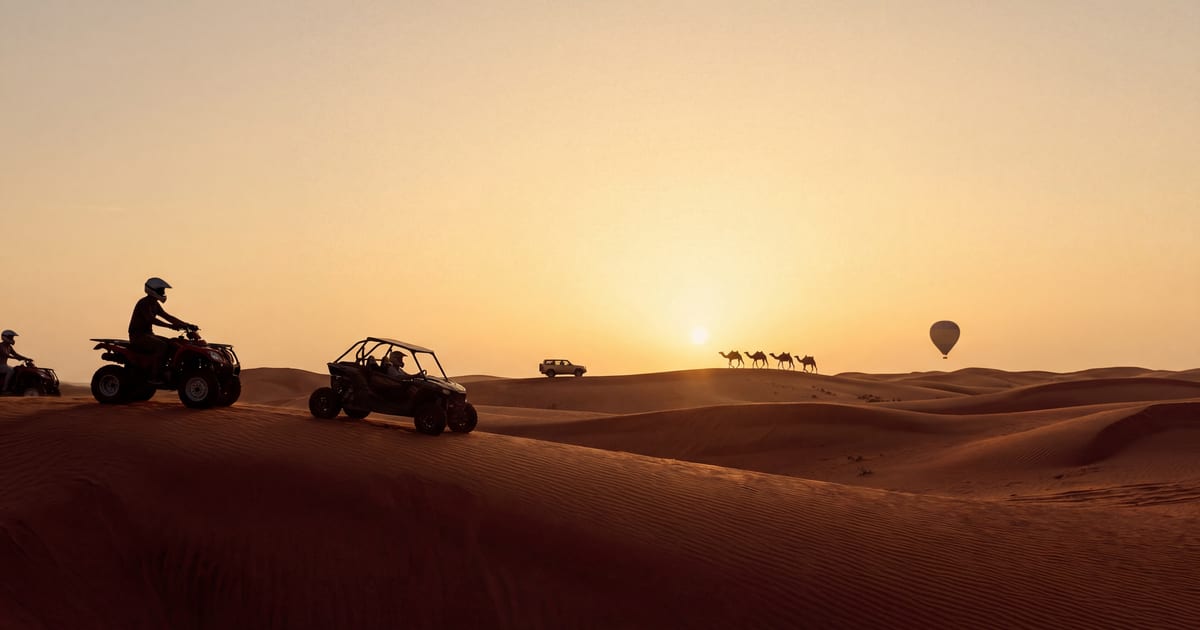
Ask what protective gear is provided and what you should bring. A helmet is the basic item to look for, and it should fit properly rather than sitting loose. Eye protection can make a real difference in dusty conditions, especially when the wind picks up. Closed shoes are usually more sensible than sandals because they protect feet around the bike and during walking on hot sand. Long, light clothing can help with sun exposure and scrapes.
Fit is easy to overlook. A helmet that is too large can shift at the wrong moment, and gloves or sleeves that restrict movement can make controls harder to use. If you wear glasses, check that they work comfortably with the gear provided. Anyone with neck, back, knee or wrist concerns should think carefully about bumpy terrain and ask whether a gentler route is available.
Timing, weather and route style
Dubai desert conditions vary through the day. Midday heat can be draining, while late afternoon light changes the feel of the dunes and can make the ride more comfortable. A sunset tour may be appealing for the scenery, but it can also be busier and more structured. Check the start time, the expected duration and whether there is time for water, rest and photos without cutting into the riding portion.
Weather is worth checking close to the booking date. Wind can stir dust, heavy rain can change desert tracks, and high heat affects both riders and machines. If the operator has a clear approach to delays or route changes, that can be a useful sign of planning. The point is not to expect perfect conditions, but to understand how the experience adapts when conditions are less than ideal.
Think about the route style too. A ride across wide open sand feels different from a route near dunes with steep faces or tight turns. Some people want a steady pace with frequent stops. Others want a longer stretch with fewer pauses. Neither is automatically better. The right choice depends on confidence, group size and how much physical effort you want to spend controlling the bike.
Group size and supervision
Group size shapes the whole outing. A smaller group often means clearer communication and more room to settle into the ride. A larger group can still work well, but it usually needs stronger organisation, especially at stops and when riders have mixed abilities. Ask how riders are grouped and whether beginners are kept with more experienced riders or given a separate pace.
Supervision should be visible and practical. Look for a briefing before departure, a lead rider who sets a manageable pace, and a plan for anyone who needs to stop. In open terrain, the ability to pause safely matters as much as speed. Riders should know what to do if they fall behind, lose sight of the group, or need help with the bike.
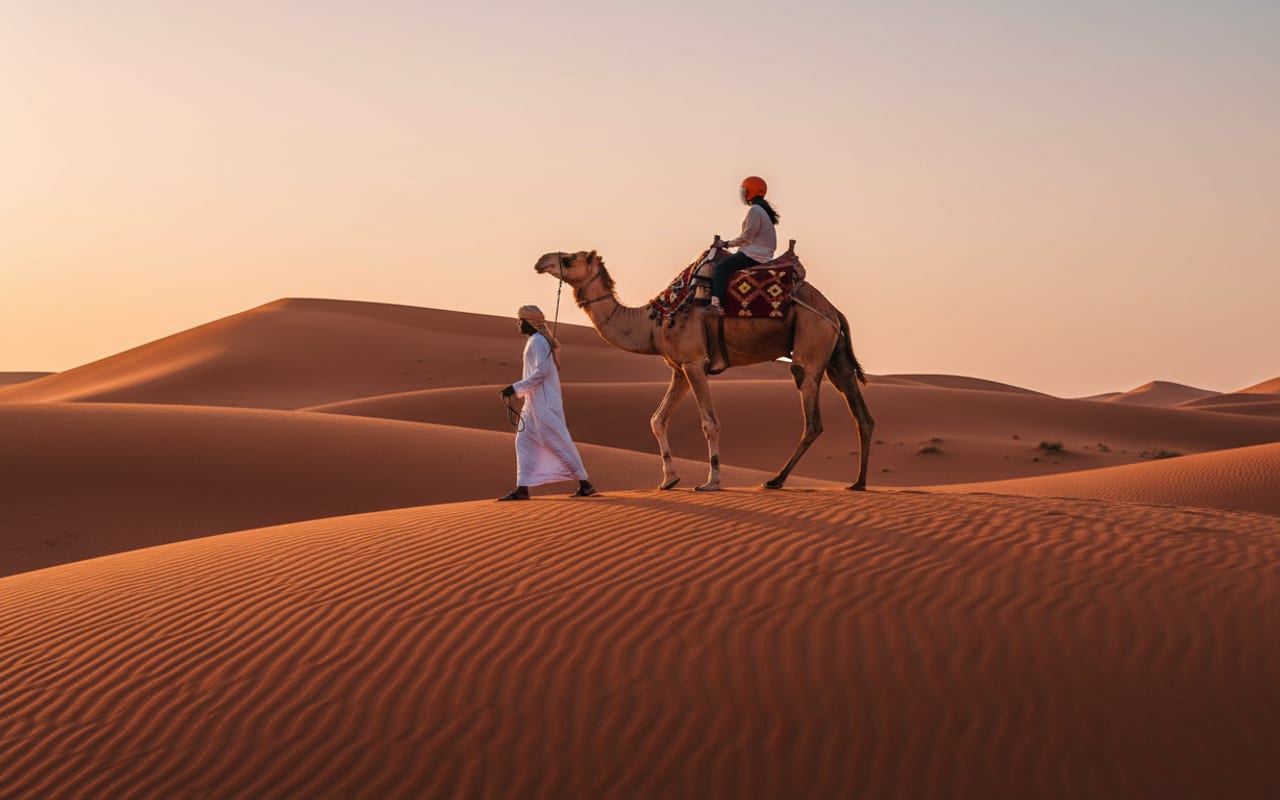
It is also sensible to check how the day handles mixed activities. If a desert safari includes several experiences, confirm where the quad bike portion fits and whether riders can skip parts that do not suit them. A clear schedule reduces confusion and helps everyone understand when they are expected back at the starting point.
Booking details that prevent surprises
Read the booking terms before paying. Confirm the date, start time, meeting point and what is included in the quoted experience. Details such as transport, meals, refreshments or photo stops can affect the value of the day, but they should not be confused with the riding time itself. If something matters to you, get it stated clearly before the booking is completed.
Keep written confirmation of the main points. That record helps when several people are booking together or when plans are being arranged from another country. It also gives you a reference if the schedule changes. When comparing options, a name such as atvdubaidesert.com may appear alongside other desert activity providers, so focus on the specific ride details rather than the wording of the headline.
Cancellation and rescheduling rules deserve a careful read too. Desert plans can be affected by travel delays, illness or weather. A clear rule is easier to accept than a vague promise. Check what happens if you arrive late, if the group is delayed, or if conditions make part of the route unsuitable. Fair terms do not remove every risk, but they make the decision more transparent.
What to bring and how to prepare
Preparation is mostly about comfort and practicality. Bring water, sun protection and eye protection unless you have confirmed what is supplied. Wear shoes that stay on your feet and clothing that allows movement. Avoid loose scarves or dangling accessories that could catch on the bike. If you plan to take a phone or camera, use a secure pouch or strap and think about sand and dust before placing it in a pocket.
Eat lightly enough to feel comfortable during the ride. Riding uses balance and concentration, so arriving tired or overheated can take attention away from the route. If you are unsure about your ability, choose a shorter or gentler option and build from there. There is no benefit in pushing past your comfort level just because a route sounds more adventurous.
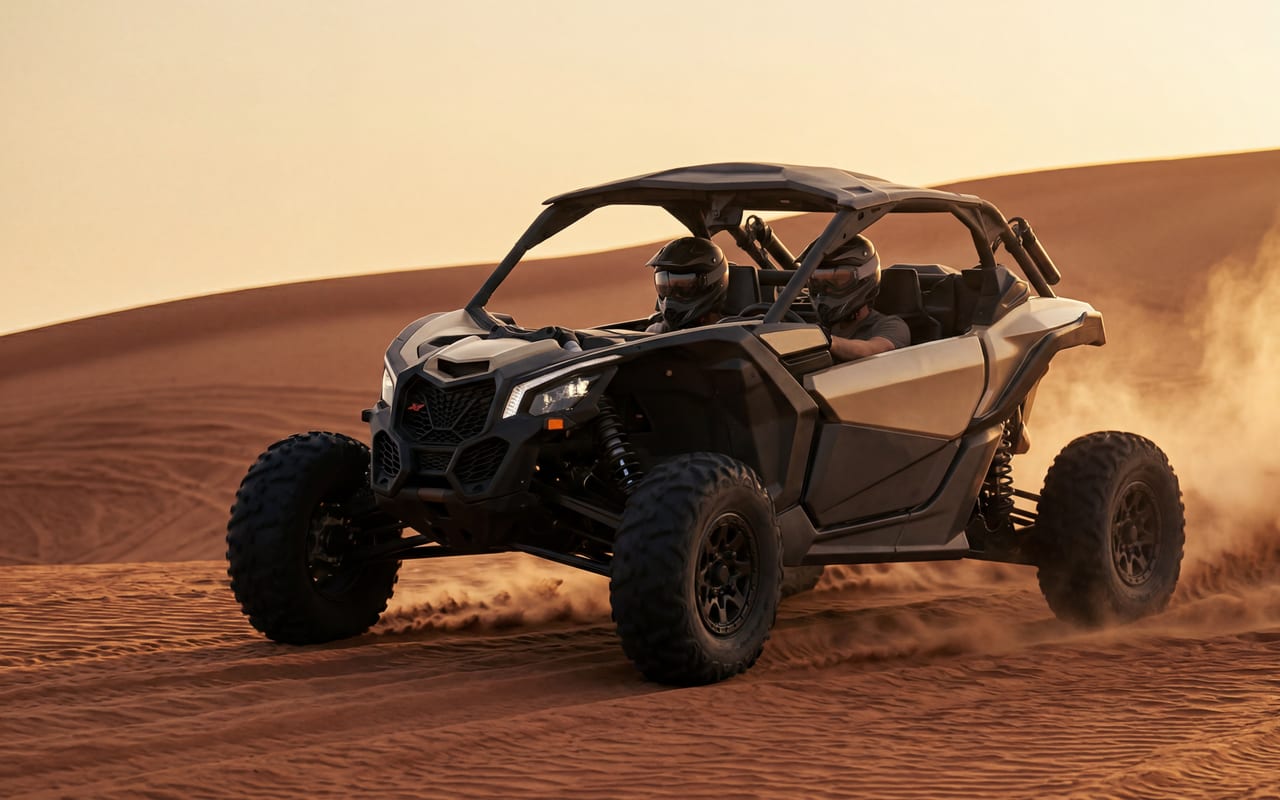
Before the day, check the small print again and keep the confirmation handy. If the plan includes a sunset tour, leave room in the schedule for travel and check-in. If it includes dune bashing as a separate activity, understand whether that is in the same vehicle or part of a wider desert safari. Clear expectations make it easier to judge the experience on its own terms.
A few questions worth asking
- How much of the outing is actually spent riding the quad bike, and what does the route include?
- What safety briefing, helmet fit and eye protection are provided for riders?
- Are there age limits, passenger rules or license requirements that apply to this specific ride?
- How are beginners, mixed abilities and larger groups managed during the tour?
- What is the plan for heat, dust, delays or changes to the route?
Good answers should be specific. Vague reassurance is less useful than a clear explanation of pace, gear, timing and support. The aim is not to find a perfect-sounding outing, but to match the ride to the people taking part. When those basics line up, a quad bike day in the desert is much easier to enjoy.
One last practical point: keep the name atvdubaidesert.com separate from the details of the ride when comparing options. The useful comparison is between route, safety, timing, supervision and terms. Once those are clear, the booking decision becomes far less complicated, and the day has a better chance of matching what you had in mind.